Plumbing Planning Tips For Home Additions And Remodels
People seeking plumbing planning tips for home additions and remodels usually want to ensure proper water flow and code compliance, and local contractors can help design and install effective plumbing systems.
Visitors exploring plumbing planning tips for home additions and remodels are in the right place. Whether considering a new bathroom, kitchen expansion, or basement upgrade, understanding how to effectively plan your plumbing system can save time and prevent costly issues down the line. Property owners in the area often look into these topics to ensure their projects are both functional and efficient, especially when working with existing plumbing infrastructure or integrating new fixtures. Keep reading to discover practical insights that can help you coordinate seamlessly with local contractors who specialize in remodeling and home additions, ensuring your plumbing setup supports your home's evolving needs.
Getting the details right early in the planning process is essential for a successful renovation or addition. Local service providers who focus on remodeling and home additions can assist with designing plumbing layouts that accommodate new fixtures, optimize water flow, and prevent future problems. By exploring these plumbing planning tips, property owners can better understand what to discuss with professionals, making the entire process smoother and more cost-effective. Continuing to read can help you gather the knowledge needed to make informed decisions and connect with experienced local contractors ready to support your project.
- Remodeling projects - homeowners planning bathroom or kitchen upgrades often require plumbing services to ensure proper water flow and drainage, with local contractors handling the integration seamlessly.
- Home additions - expanding living space may involve new plumbing lines or rerouting existing systems, and local service providers can help design and install these efficiently.
- Basement finishing - converting a basement into a functional living area often needs additional plumbing for bathrooms or laundry areas, with local pros managing the setup.
- Garage conversions - transforming a garage into a livable space may require extending plumbing lines, which local contractors can plan and execute to meet building codes.
- Structural remodels - major home renovations that change layouts often involve relocating or installing plumbing, with local service providers ensuring the work aligns with project needs.
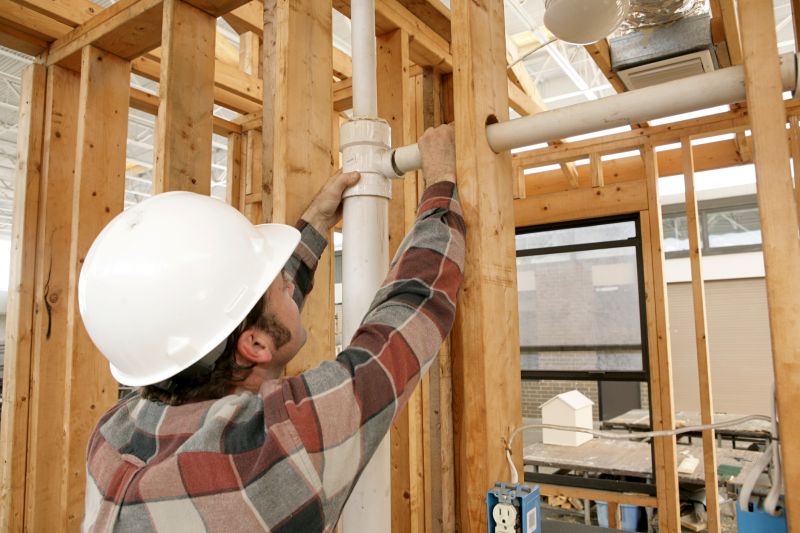
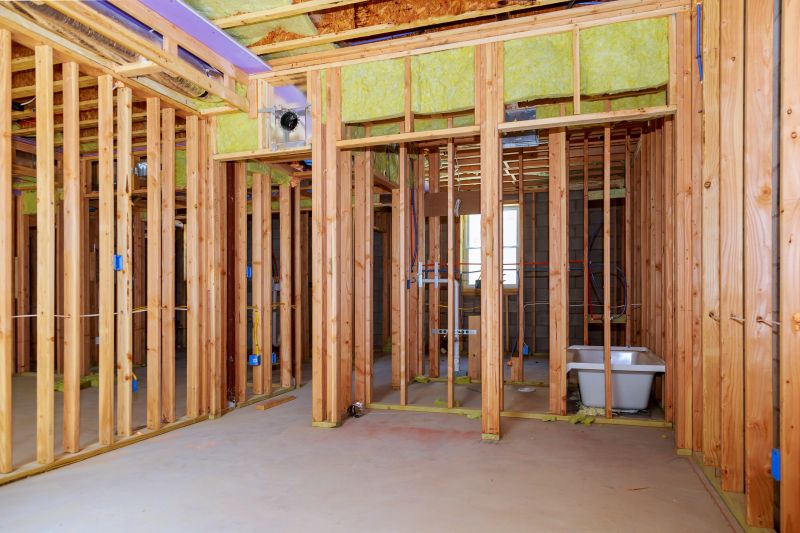
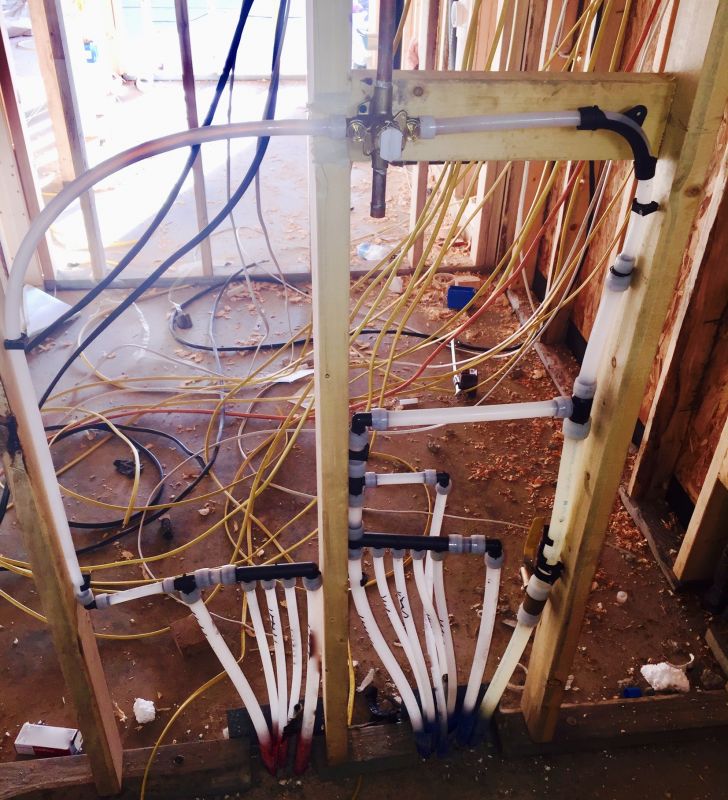
When homeowners search for plumbing planning tips for home additions and remodels, they are often looking for guidance on how to properly extend or modify their existing plumbing systems to accommodate new spaces. This includes understanding how to position and size new water supply lines, drain lines, and venting to ensure the added areas function efficiently and reliably. Many are concerned about avoiding future issues such as leaks, low water pressure, or drainage problems that can arise from poorly planned plumbing layouts. These searches typically relate to projects like adding a new bathroom, expanding a kitchen, or creating a laundry room in an existing home, where existing plumbing infrastructure needs to be integrated with new installations seamlessly.
The kinds of problems connected to plumbing planning for home additions and remodels often involve space constraints, code compliance, and ensuring proper flow and drainage. Homeowners may encounter difficulties when trying to connect new fixtures to outdated or limited existing plumbing systems. In some cases, existing pipes may need to be rerouted or upgraded to meet current standards and accommodate increased demand. Proper planning helps prevent costly rework later and ensures that the new plumbing setup will function smoothly alongside the existing system. Service providers experienced in remodeling plumbing can evaluate the property's current infrastructure, identify potential issues, and suggest practical solutions tailored to each project.
Properties that frequently come up in discussions about plumbing planning for home additions and remodels tend to be older homes or properties with limited space for plumbing runs. These homes often have outdated plumbing that may not support modern fixtures or increased water usage. Additionally, multi-story homes or properties with complex layouts require careful planning to ensure proper drainage and venting across different levels. Newer homes might also need modifications if homeowners are expanding or reconfiguring their spaces. Local contractors who specialize in remodeling plumbing are familiar with the challenges these property types present and can help develop plans that integrate new plumbing efficiently with existing systems.
Effective plumbing planning for home additions and remodels involves working closely with service providers who understand the unique demands of each property. These local contractors can assist homeowners in designing a plumbing layout that maximizes space, ensures code compliance, and addresses potential issues before construction begins. They can evaluate existing plumbing infrastructure, recommend necessary upgrades, and help coordinate the installation process. By engaging experienced professionals early in the planning phase, homeowners can avoid common pitfalls, reduce the risk of future plumbing problems, and create a functional, reliable system that supports their new or renovated spaces. Proper planning ultimately ensures that the expanded plumbing system will serve the household effectively for years to come.
Bathroom Renovations - These projects often require detailed plumbing planning similar to home additions, ensuring proper fixture placement and pipe layouts are coordinated with existing systems.
Kitchen Remodels - Kitchen upgrades involve rerouting water lines and installing new plumbing fixtures, making plumbing planning tips essential for smooth integration with existing plumbing infrastructure.
Basement Finishing - Converting basements into livable spaces frequently involves adding or relocating plumbing lines, requiring careful planning to meet code and functionality needs.
Laundry Room Installations - Setting up new laundry areas involves precise plumbing layout and connection work, which relies on proper planning and coordination with local contractors.
Accessory Dwelling Units (ADUs) - Building additional living spaces on a property involves extending or creating new plumbing systems, making planning tips vital for efficient installation.
Outdoor Plumbing Projects - Installing outdoor kitchens, irrigation, or drainage systems involves similar planning skills to ensure proper water supply and waste management for home remodels.
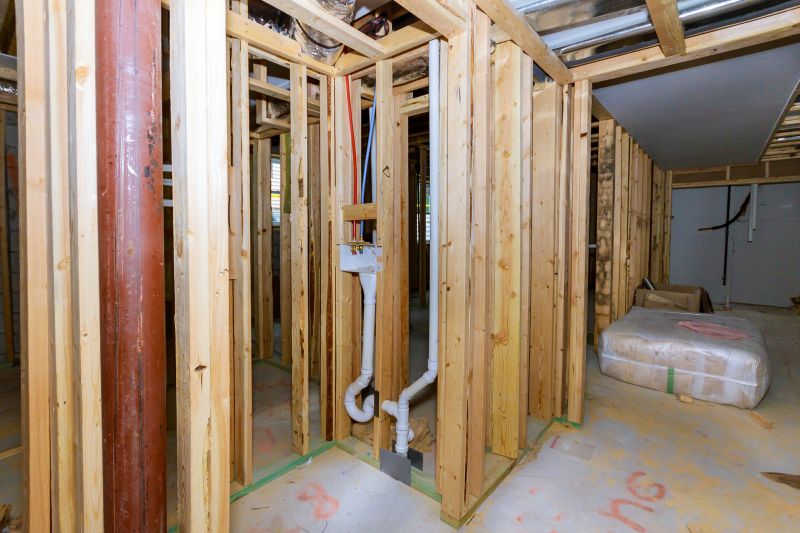
When evaluating service providers for remodeling and home additions plumbing services, it is important to consider their experience with similar projects. Homeowners should inquire about the types of additions or remodels the contractors have completed in the past, paying attention to the complexity and scope of those jobs. A contractor with a proven track record handling projects comparable to the planned addition or renovation can offer insights into potential challenges and solutions, helping to ensure the plumbing planning tips for home additions and remodels are effectively implemented.
Clear written expectations are essential when comparing local contractors. Homeowners should seek detailed proposals that outline the scope of work, materials to be used, and the timeline for completion. This transparency helps prevent misunderstandings and provides a basis for evaluating each service provider’s approach to plumbing planning tips for home additions and remodels. Well-documented expectations also facilitate smoother communication throughout the project, ensuring that all parties are aligned on the work to be performed.
Reputable references and good communication are key factors in selecting a reliable service provider. Homeowners can ask for references from previous clients who have had similar work done, providing insight into the contractor’s professionalism, quality of work, and adherence to schedules. Additionally, choosing a contractor who communicates clearly and promptly can make the planning process for plumbing in home additions and remodels more efficient. Effective communication ensures that questions are answered, concerns are addressed, and the project progresses smoothly, ultimately contributing to a successful outcome.
Property owners often search for plumbing planning tips for home additions and remodels when they are planning practical projects around their homes and businesses. Local pros provide Remodeling and Home Additions Plumbing services for everyday jobs and straightforward project options.
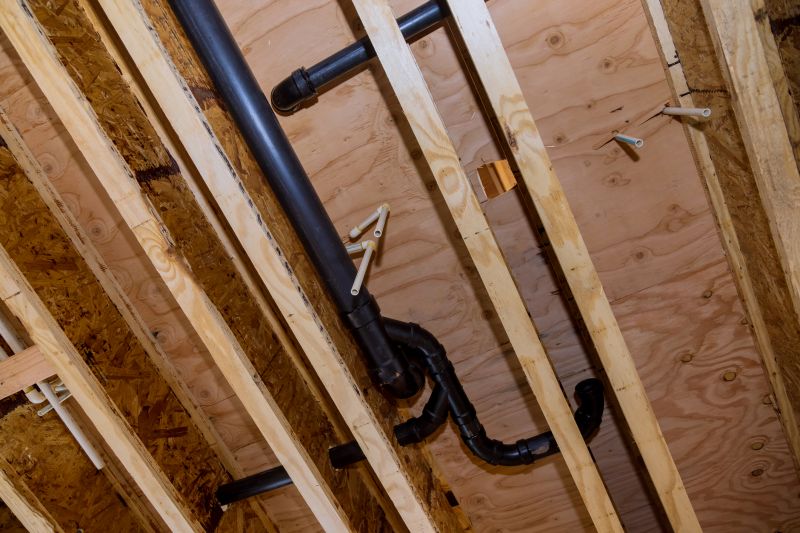
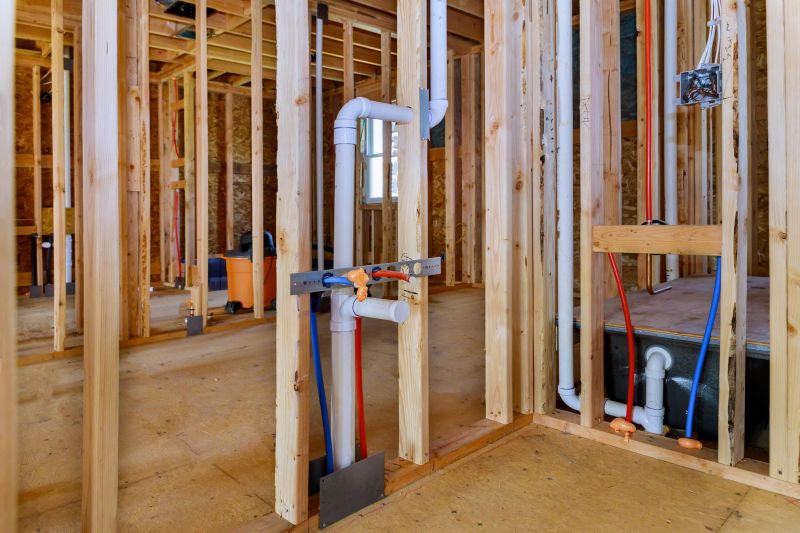
Homeowners planning additions or remodels often seek plumbing planning tips to ensure their projects run smoothly. Properly integrating new plumbing fixtures, ensuring adequate water supply, and avoiding future issues are common concerns during these projects. Property owners in the area may look into these tips to better understand the scope of work involved and to identify when professional plumbing services are needed. Connecting with experienced local contractors can help make sure the plumbing system is designed efficiently, meets all necessary codes, and accommodates the specific needs of the new space.
Many property owners consider professional plumbing services to handle the complexities of home additions and remodels. Whether installing new bathrooms, kitchens, or laundry areas, having skilled service providers manage the plumbing ensures everything functions properly and prevents costly mistakes. Local contractors can evaluate existing systems, plan for future demands, and coordinate with other trades to streamline the project. Exploring these options can provide peace of mind and help ensure the plumbing work integrates seamlessly with the overall renovation plan.
What should I consider when planning plumbing for a home addition or remodel? It’s important to evaluate existing plumbing layouts, identify new fixture locations, and ensure proper water supply and drainage connections. Local contractors can help assess the current system and design effective plumbing plans for the new space.
How can I ensure my new plumbing will work with my current system? Consulting with experienced service providers can help determine compatibility and identify any upgrades needed. Proper planning ensures seamless integration with existing plumbing infrastructure.
What are common challenges in plumbing planning for home additions and remodels? Common issues include space constraints, rerouting existing pipes, and maintaining water pressure. Skilled local contractors can address these challenges efficiently during the planning process.
Should I consider future needs when planning plumbing for a remodel or addition? Yes, planning for potential future fixtures or expansions can save time and costs later. Local service providers can advise on scalable plumbing solutions to accommodate future changes.
How do I coordinate plumbing with other aspects of my home addition or remodel? Effective communication with experienced contractors ensures plumbing works harmoniously with electrical, framing, and design plans. This coordination helps prevent conflicts and streamlines the construction process.
Assess existing plumbing systems - understanding current pipe layouts helps property owners plan for new fixtures and avoid costly modifications during remodels.
Design for future expansion - incorporating extra plumbing lines during initial planning can simplify future additions or updates to the home’s plumbing.
Coordinate with remodeling plans - working with local contractors ensures plumbing is integrated seamlessly into the overall design of the home addition or renovation project.
Prioritize water efficiency - selecting efficient fixtures and planning for proper drainage can reduce water use and prevent plumbing issues down the line.
If you are thinking about plumbing planning tips for home additions and remodels for a property, this guide is meant to help you understand this topic, the typical project types, and how different options might fit your plans.
When you are ready, you can use the quote form on this page to share a few details about your project. From there, local pros can review the basics and follow up with options that match what you have in mind.